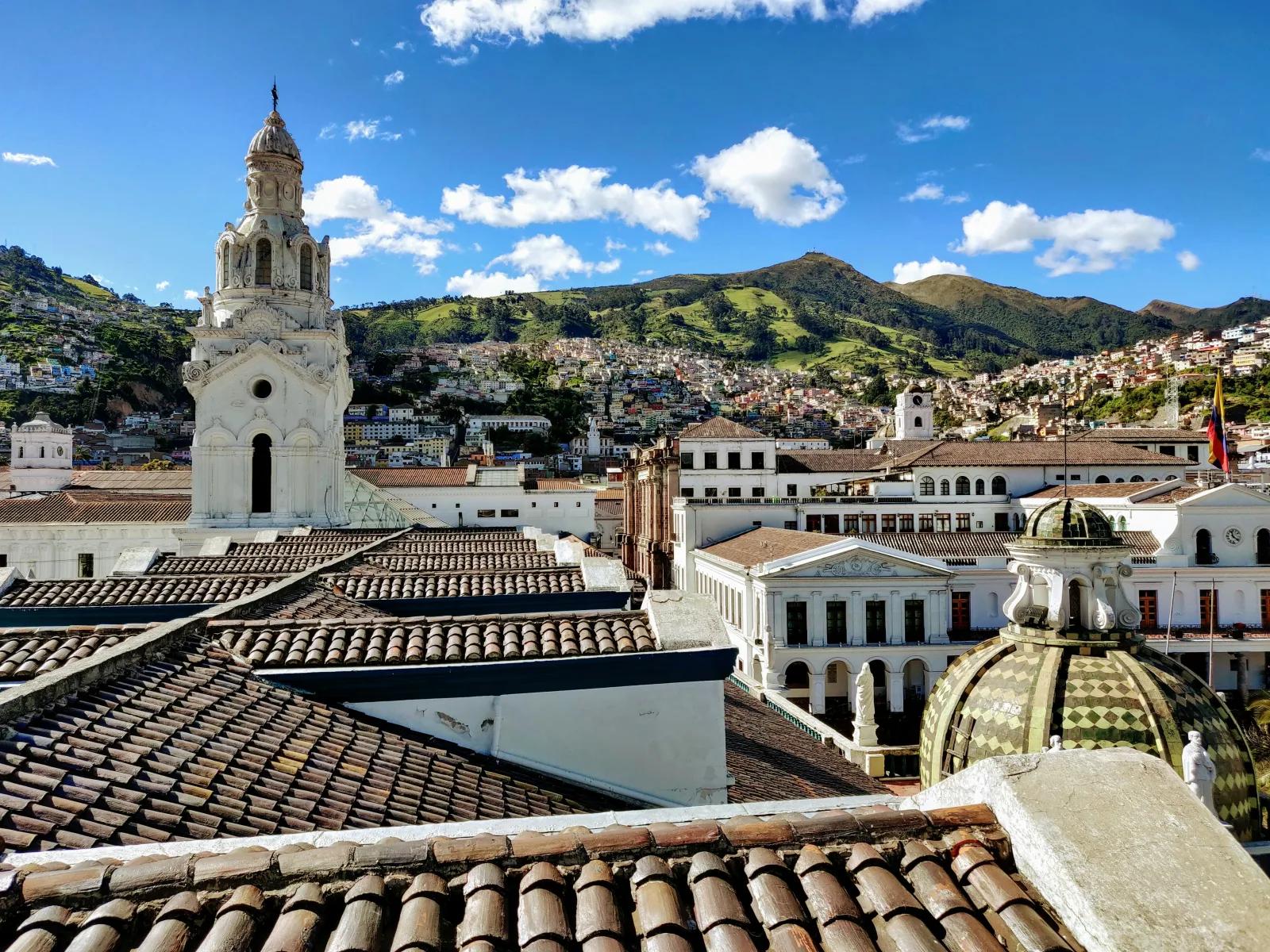
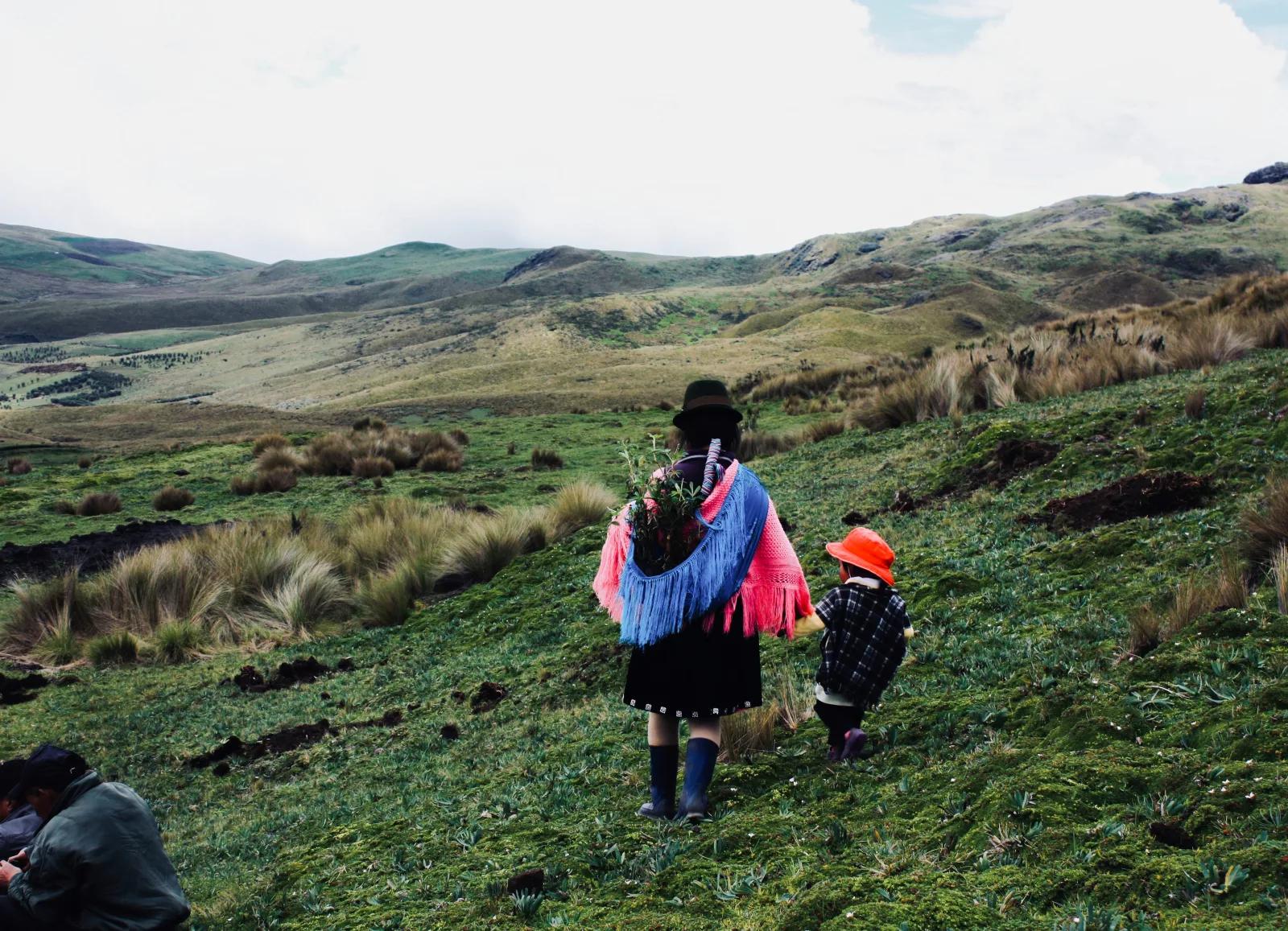
Maybe you've found yourself looking at Cuenca apartments late at night. You like the idea of walking to the market, learning enough Spanish to have a conversation with your neighbors, and having time to enjoy the day instead of rushing through it. Then you close the tab and return to the life you have right now.
Someone you love needs you nearby. Or you have a job to finish, a home to sort out, or a health question you aren't ready to leave behind. There may be no way to put a date on the calendar—and no reason to pretend there is.
I run EcuaPass, so people often expect me to begin with a visa checklist. For a move that might be years away, I would start with a different question: What can you learn now that will still be useful if your plans change?
You can look forward to a different life and stay present for the one you have. Ecuador will give you plenty to investigate without making you buy a plane ticket this week.
Open the free future-move worksheet. You can print it or save it as a PDF. There is no signup, and the answers aren't sent to EcuaPass. The planning page also has an optional newsletter if you want to keep learning over time.
Give your timeline a little breathing room
If your move depends on a family responsibility or a change in your circumstances, a precise departure date may only create pressure. Try describing the plan in two parts instead:
- What has to happen before I can consider leaving? You can keep that answer private. It might be a family decision, a work transition, or a financial milestone.
- What will I need to do once I can start? Think about a scouting trip, reviewing your income evidence, deciding what happens to your home, and checking current visa requirements.
The second part deserves time of its own. A change in circumstances does not mean you must immediately pack up, sell a house, and board a plane. You may want months to think, visit, and decide whether Ecuador still fits. Your future plans can change as your life changes; the worksheet is there to help you revisit them, not turn them into a deadline.
Put a reminder on the calendar to review your questions when it suits you. You can update a city preference or savings target without explaining your family life to anyone.
Think about the life, not just the view
A video of a sunny plaza can make Ecuador feel like the answer. It can also leave out the daily routines that determine whether a place works for you.
Picture the ordinary week. Would you rather walk to a neighborhood market or drive to a large supermarket? Do you want cool highland weather or would being near the ocean matter more? Are you happy practicing Spanish in daily life, or would you feel isolated without a strong English-speaking circle? What would you do with a free afternoon after the excitement of moving has settled?
For some people, the answer involves finding a way to contribute: a class, a community project, a language exchange, or an organization that could use their skills. Start by listening to what local people and organizations actually need. Don't assume that volunteering has the same immigration rules in every situation; the activity and your status matter. Our guide to finding community in Cuenca offers questions to ask before making a commitment.
You can be attracted to a slower pace and still want a full, useful, social life. Those are good reasons to investigate a place, even if you never apply for a visa.
Make an exploratory visit do real work
When a trip becomes possible, give yourself permission to be a visitor and an observer. Have the nice lunch and see the sights. Then try the errands you'd actually repeat: buy groceries for a few days, walk the route from a neighborhood you might rent in, check how you'd reach a clinic, and see what the city feels like on an ordinary weekday.
If you're coming from sea level, Cuenca's elevation deserves attention. People respond differently, and one quick trip cannot settle every health question. Talk with a clinician familiar with high-altitude travel if you have medical concerns, and give your arrival some breathing room. Our first-week arrival plan links to the CDC's high-altitude guidance and includes a practical worksheet.
Also look beyond a single Facebook post or a single happy conversation. Ask residents what has been difficult as well as what they enjoy. Research the specific places and routes you would use, and check the current U.S. travel advisory for Ecuador along with advice relevant to your nationality. Safety varies by location and can change; neither alarming headlines nor a friend's reassuring story can tell you everything about your own itinerary.
Learn the paperwork; don't start every clock
You can do useful document research years ahead. Find out where you would request your pension or Social Security benefit letter, when your passport expires, and which countries you have lived in. Read the retirement visa overview to understand the kind of evidence that may be relevant. If you have a spouse or another family member moving with you, ask how each person's proposed application might be handled.
Then pause before ordering records that may have time-sensitive requirements. A background certificate obtained too early may have to be replaced. Before paying for an apostille, translation, or new check, confirm the current rules for the actual document, application, and travel dates. The applicable date calculation matters; a remembered rule from a Facebook group or an older checklist is not a substitute for checking the instructions in force when you apply.
You can also find out who handles each step. Federal and state documents may follow different authentication procedures; the U.S. Department of State's apostille guidance is a starting point. Make a list of questions and issuing agencies now, then confirm the details before you spend.
If you receive U.S. Social Security, the SSA benefit-letter page explains how to obtain evidence of benefits. Receiving a benefit and qualifying for a particular Ecuador visa are separate questions. The SSA payments-abroad tool can help you investigate whether your own payments may continue outside the United States.
Budget for the people you want to keep seeing
It's easy to compare rent in Cuenca with rent at home and stop there. Your actual budget also needs the things that make the move feel sustainable: healthcare and insurance, a housing deposit, occasional imported items, local transport, and a reserve for problems you cannot predict.
If seeing family is important, give it a line in the budget rather than hoping the money will appear. Price a typical visit home—including connections, ground transportation, luggage, and any overnight stay—and multiply by the number of trips you hope to take. Then consider what a short-notice trip might cost. Our family-travel planner includes a worksheet to make those assumptions visible.
Ecuador uses the U.S. dollar, which makes a price comparison more straightforward for someone budgeting in dollars. It does not make costs fixed, guarantee that a particular pension will cover your life, or eliminate banking fees and other financial questions. Use the cost-of-living tool as a starting point, then replace estimates with the best quotes you can find for your circumstances.
A plan you can put down and pick up again
Here's a reasonable starting list for the next few months:
- Write down the qualities you want in your next chapter and two things that would make a move difficult.
- Choose one place to research beyond the highlight reels. Learn what ordinary housing, transport, and care might look like there.
- Pick one small way to prepare that you enjoy: a Spanish lesson, a conversation with someone who knows the city, or a look at your future budget.
- List the documents and visa questions you will need to revisit later. Hold off on spending for time-sensitive records until you understand your own timing.
- Choose a date to look at the plan again—or leave the date blank for now.
If you'd like to talk through a possible visa route or the order of preparation, message Chip. You don't need a fixed departure date or a complete stack of documents to start that conversation. We'll discuss the scope and cost of any paid help before work begins; government and third-party fees are separate, and the authorities decide visa applications.
You are allowed to take your time. The point of planning ahead is to give yourself options when the moment comes—not to make today harder.