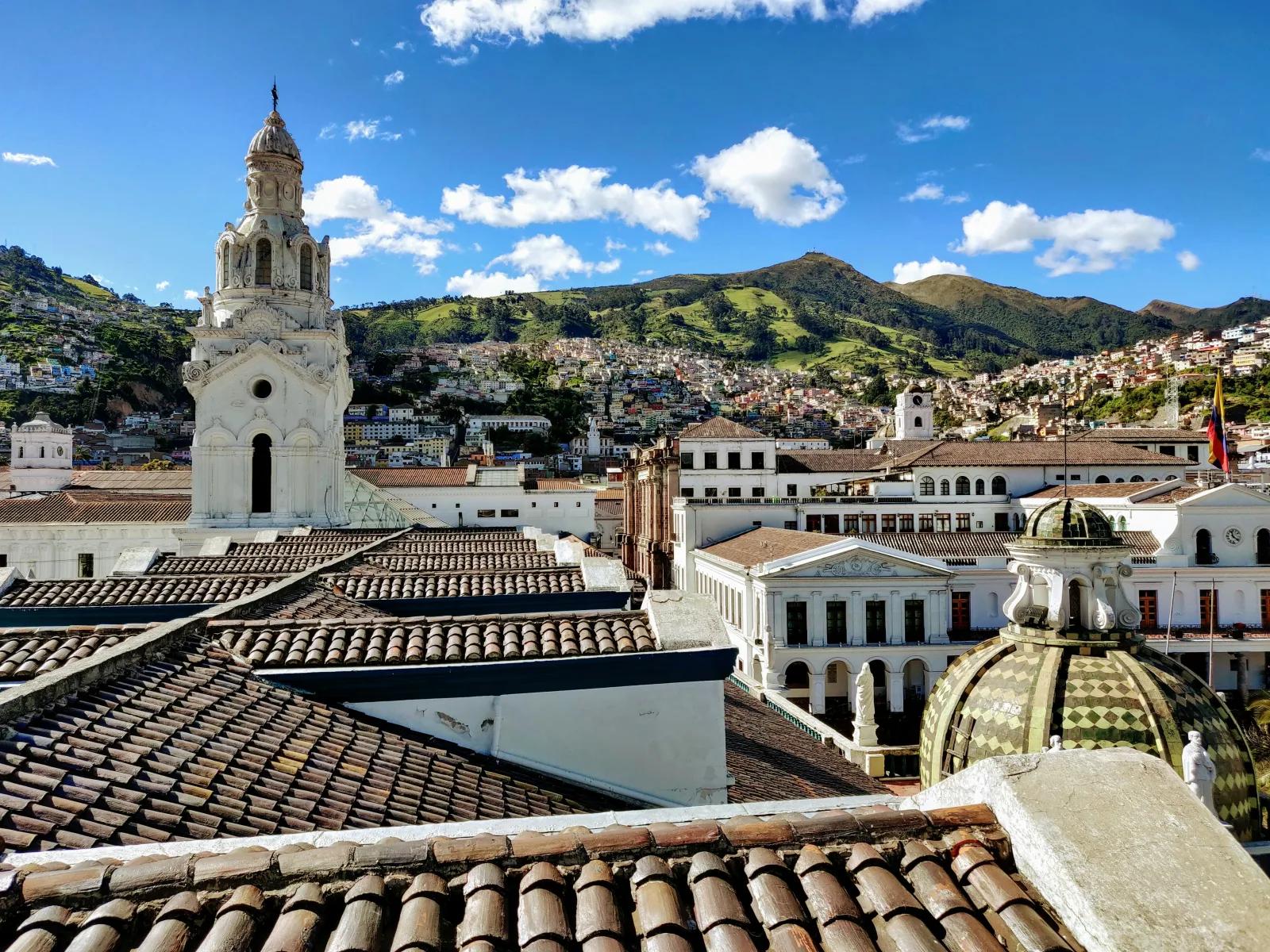
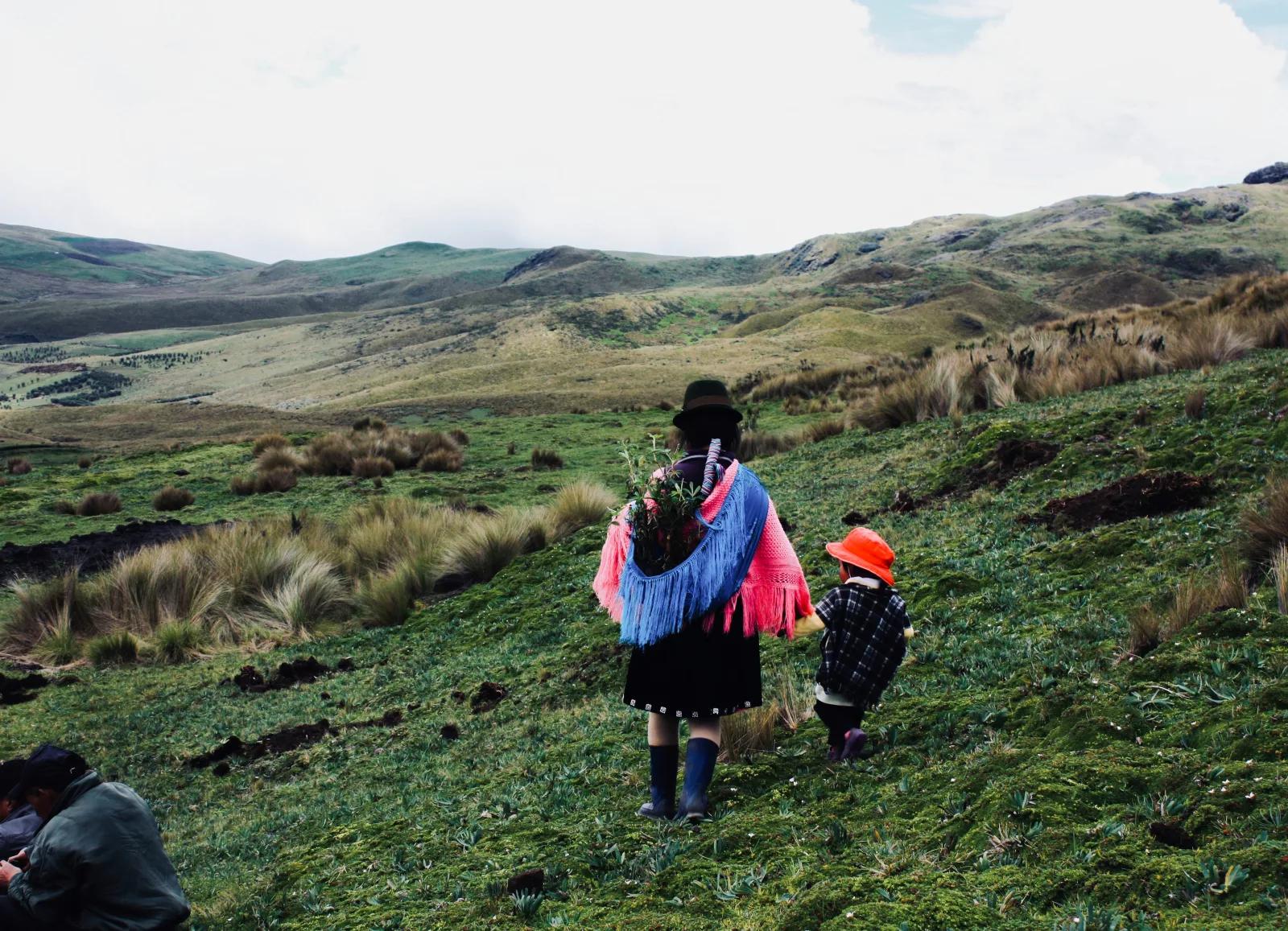
For years, the idea of Cuenca may have lived in a browser tab: photos of the mountains, questions about a pension, videos about a slower life. Then one day the question changes. It is no longer Could I live there? It is I've just landed. What do I do first?
If you are coming from a place at sea level, your first week has two jobs. The first is to give your body a chance to adjust. The second is to begin finding out what your actual life here might feel like—not the vacation version and not someone else's highlight reel.
You don't need to tour every neighborhood, make ten new friends, and solve your visa in seven days.
Open the free first-week planner to write down your arrival arrangements and questions. It is free, doesn't require an email, and doesn't send your answers to us. Print or save your copy before leaving the page.
Before the flight: make the first night easy
Book a place with clear check-in instructions and a contact if your flight is delayed. Save the address offline, arrange or verify transport, and plan how to contact someone you trust if your phone connection doesn't work.
Ecuador uses U.S. dollars, but cards and bank fees can still vary. Check access and charges before leaving, and keep a backup way to pay.
If you're worried about health at altitude—particularly if you have heart or lung disease, another medical condition, or use medicines that affect breathing—talk with a clinician familiar with high-altitude travel before your trip. Give them your actual route, including any stopovers or excursions to higher places. Ask about your medications, whether a change in itinerary makes sense, and how to get care if you become unwell. Don't start or stop medication based on a travel blog.
Cuenca sits at roughly 2,500 meters, or about 8,200 feet, above sea level; elevation varies around the city. The municipality describes the city's elevation, and the CDC's high-altitude guidance explains why an unacclimatized visitor at this elevation can be at risk of altitude illness. Feeling fit at home doesn't reliably predict how you'll respond.
One more thing: if someone at home is used to hearing from you every day, decide together what that first check-in will look like. A short “I'm here, I'm safe, and I'll call tomorrow” may be more useful than trying to describe the whole journey while you're exhausted.
Day one: arrive, eat, sleep
Today's ambitious itinerary: get to your accommodation, find something to eat, and sleep.
If your place is up several flights of stairs, you may notice the climb more than you expect. There is no prize for carrying every suitcase in one trip. Take breaks, leave the errands until tomorrow, and keep your address and a local contact handy.
The CDC advises avoiding alcohol and heavy exercise for at least the first 48 hours above 8,000 feet. That doesn't mean staying in bed if you feel well; it means you can let the sweeping viewpoint wait without feeling that you've wasted a day.
In Ecuador, ECU 911 is the emergency number. Save it before you need it, and keep your address and a nearby landmark handy. Ask your host how they would call for help and which medical facility they would suggest contacting for a non-emergency. Verify hours and payment arrangements rather than assuming they match what you're used to.
Days two and three: find your bearings, not your limit
If you feel well, pick one small outing: a nearby shop, pharmacy, or place to watch an ordinary morning. Are there hills or uneven sidewalks? Could you manage the route in the rain or while carrying groceries?
A neighborhood that looks perfect in a photograph may feel different when you need medicine, a quiet night's sleep, or a reliable way home. Make a note of what you want to test again.
Keep valuables close and be deliberate about your surroundings. A cross-body bag worn in front might suit some people better than an open backpack; the point is to choose a setup you can keep an eye on, not to believe any bag makes you theft-proof. Arrange or verify a taxi or other ride through a source you trust, and check the current U.S. State Department advisory for Ecuador and advice for your own nationality. Conditions differ by place and can change; neither frightening headlines nor reassuring anecdotes tell the whole story.
Know which symptoms need attention
Altitude symptoms can include headache, tiredness, nausea, and loss of appetite. They can have other causes too. Don't diagnose yourself from this page, and don't assume you have to push through feeling worse because you've “come all this way.”
The CDC advises that people with symptoms of altitude illness not go to a higher elevation until symptoms have resolved. If symptoms worsen while resting, seek medical help and move to a lower elevation; get help arranging that safely. Confusion, difficulty walking or loss of coordination, and shortness of breath at rest are urgent warning signs. Seek emergency care immediately; serious altitude illness can require descent and treatment. If you are unsure, ask a medical professional rather than waiting for a travel checklist to make the decision for you. Read the CDC's traveler guidance.
This is general information, not a personal diagnosis or clearance to travel. Your clinician knows far more about your health than I do.
Days four and five: try an ordinary life on for size
Once you're feeling well, repeat an errand instead of chasing a new sight. Return to a shop or café, find a route you might use weekly, or look for the kind of class you would enjoy at home. You may discover that what you want from Cuenca isn't a packed calendar. It is enough time to walk to buy bread, learn the names of the people you see, and have a conversation that doesn't begin with a deadline.
If you're studying Spanish, let it be useful before it's polished. Ask a question, listen, and try again. Humor can help when you get a word wrong; the person helping you is not there to perform a cultural experience. Be curious and courteous.
This is also a good time to check in with family again. You might share one detail that doesn't fit in a postcard: how the neighborhood feels on a weekday, what the trip to the pharmacy was like, or what you still don't know. If you're thinking about a longer move, compare the cost and effort of visits in both directions. Our family-travel planning guide helps you put those trips into a budget without treating distance as an afterthought.
Days six and seven: look for a place to contribute
A lot of people want more than a cheaper place to live. They want to become part of a community and give something back. That's a good instinct—and it doesn't require promising a stranger you'll volunteer before you've learned what they need.
Make a short list of locally led groups, activities, or causes that interest you. Then ask practical questions: What work is actually needed? Who supervises? How often would a volunteer be expected to show up? What Spanish skills or training are useful? If the work involves children or other vulnerable people, ask about safeguarding, screening, supervision, and continuity. A short stay and good intentions do not replace those protections.
Check whether your intended activity is permitted under your immigration status: unpaid work, informal activities, and sponsored placements may raise different questions. Our community guide helps you think it through.
At the end of the week, ask better questions
Instead of deciding whether Cuenca is “perfect,” write down what you learned:
- Which part of the day felt comfortable—and which part took more energy than expected?
- Could you reach the services and people you would depend on without turning every errand into an expedition?
- What would staying connected to family cost in time and money?
- What would you like to learn, join, or contribute to if you stayed longer?
- What do you need to verify before making a housing, travel, or visa commitment?
Even if you leave with more questions, you have something a video can't offer: a sense of your own pace and priorities here.
If a future move still feels right, the plan-your-move-without-a-date resource can help you sort those questions. When you're ready to discuss the visa side, message Chip. A scouting visit, a visa application, and permission to stay or work are separate matters; check current requirements for your situation before making plans that depend on approval.