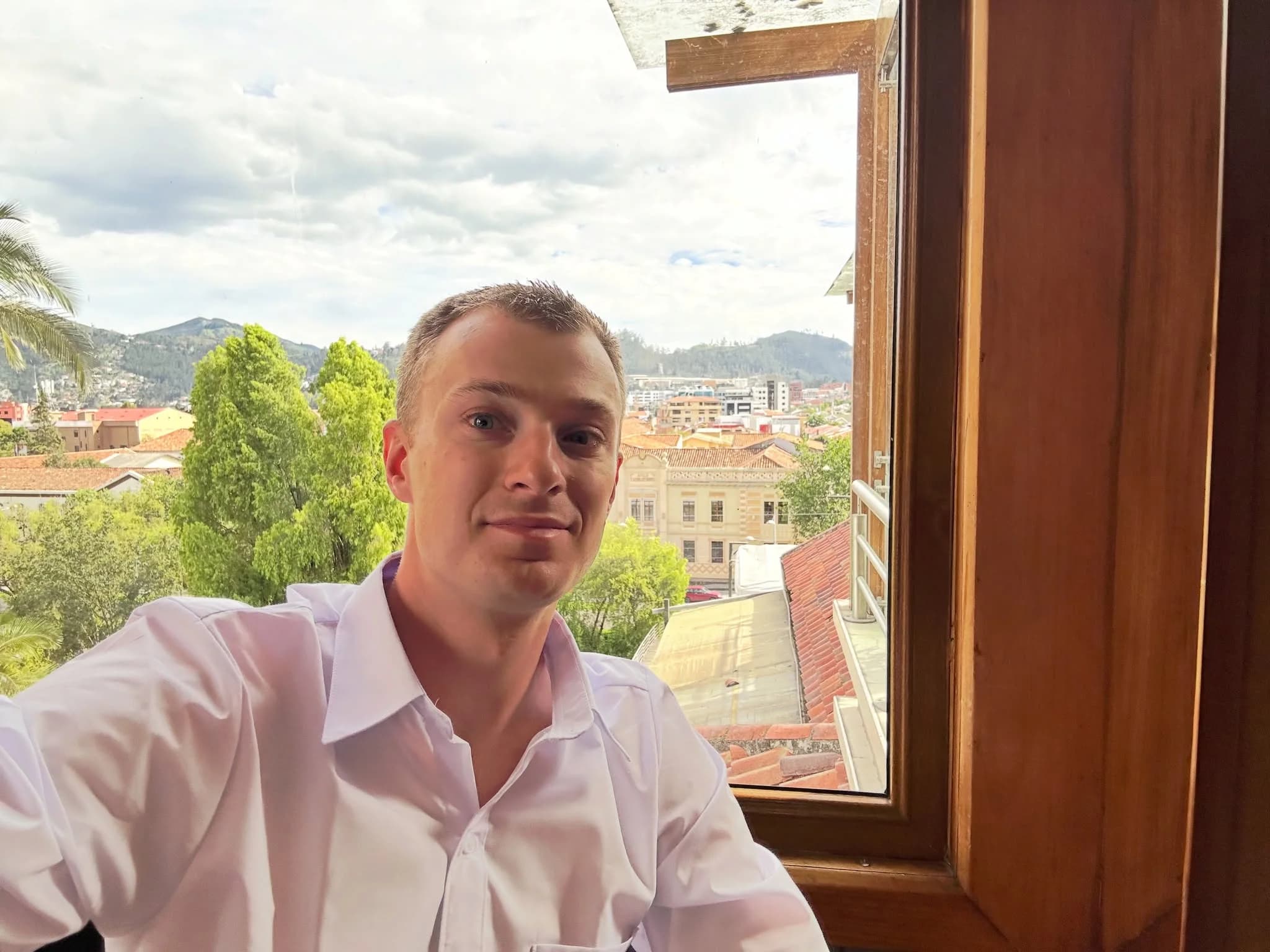
I live in Cuenca, so I'm biased — but I'm going to be honest about the bias and honest about the trade-offs. Cuenca is where most North American expats land, and there are good reasons for that. It's also not right for everyone. Some people visit for a month, feel claustrophobic in a city of 600,000, and realize they need Quito's energy. Others arrive chasing beach life, last six months on the coast sweating through the humidity, and retreat to the highlands. The city you choose shapes your entire experience in Ecuador, and no blog post — including this one — substitutes for actually spending time there.
What I can offer is my perspective as someone who's lived in Cuenca since 2023, traveled throughout Ecuador, and talked to hundreds of expats through our CuencaExpat.com community about what they love and what they'd change. Here's the honest version.
Best Place to Live in Ecuador by Priority
There is no universal best place to live in Ecuador. Use this quick filter before reading the city-by-city comparisons:
| If you care most about… | Start with… | Why |
|---|---|---|
| Healthcare and an established expat network | Cuenca | Strong private care, walkability, and practical English-language support |
| International connections and specialist depth | Quito | The country's broadest urban, medical, school, and airport infrastructure |
| Beach access and warm weather | Salinas or another established coastal town | Ocean living, with humidity, AC costs, and thinner specialist access |
| Lower costs and a smaller highland city | Loja | More local immersion and lower costs, with less English-language support |
| Rural quiet and nature | Vilcabamba, Cotacachi, or Mindo | Space and slower pace, but fewer services and longer trips for care |
The best place to live is the city that matches your healthcare, climate, language, budget, and support needs. Visit two finalists before signing a long lease or buying property.
City Comparison at a Glance
| Place | Best fit | Climate | Healthcare access | Main trade-off |
|---|---|---|---|---|
| Cuenca | Retirees and first-time movers wanting support | Cool, highland | Strong private and public options | Altitude, grey season, expat bubble |
| Quito | Professionals, families, and urban culture | Cool, higher altitude | Ecuador's broadest specialist access | Traffic, cost, and big-city security habits |
| Salinas / coast | People prioritizing ocean and heat | Hot, humid | Routine care locally; complex care may require travel | Humidity, AC costs, thinner infrastructure |
| Loja | Spanish speakers wanting a smaller highland city | Mild, highland | Good regional access | Small English-speaking community |
| Cotacachi | Quiet, outdoors-focused small-town living | Mild, highland | Limited locally; larger cities for specialists | Fewer services and activities |
| Vilcabamba | Very quiet, rural lifestyle | Warm valley microclimate | Loja for many specialist needs | Remoteness and limited services |
Use this as a shortlist, not a ranking. Compare the national cost-of-living guide, the healthcare cost guide, and current local conditions before committing to a lease or purchase.
Cuenca — The Default for a Reason
Cuenca is where the majority of North American expats live, and the reasons are practical more than romantic. The weather is genuinely pleasant — mid-60s to mid-70s Fahrenheit year-round, no heating needed, no AC needed. You wear a light jacket in the morning and shed it by noon. The cost of living is low relative to what you get, and the healthcare infrastructure is legitimate — hospitals like Monte Sinaí and Hospital Santa Inés have specialists, modern equipment, and doctors trained in the US and Europe. The expat community is the largest English-speaking one in Ecuador, large enough that you can find support for virtually anything from dentist recommendations to tax advice to pickleball groups. For the detailed cost breakdown, see our cost of living guide — the short version is that a comfortable lifestyle here runs roughly half what it costs in a mid-tier American city.
The honest downsides. Cuenca has a grey, drizzly season — roughly February through May, though it varies year to year — that genuinely affects some people's mood. I'm talking weeks where the sky is a flat, low overcast and you don't see the sun, punctuated by afternoon rain. If you're coming from the Pacific Northwest and that sounds familiar, you'll be fine. If you're coming from Arizona expecting eternal blue sky, the grey season will surprise you. The city sits at 8,400 feet, not as extreme as Quito, but some people experience headaches and shortness of breath for their first week or two. It passes, but it's worth knowing. Nightlife is limited — if you're under 40 and want a vibrant social scene after 10pm, you'll find Cuenca quiet. Most of the action is dinner with friends and home by nine. And the expat bubble is real. It's entirely possible to live here for years, eat at the same handful of restaurants, socialize only with other Americans and Canadians, and never meaningfully connect with Ecuadorian culture. That's a choice, not an inevitability, but the infrastructure for that bubble exists and it's easy to drift into.
Despite all that, Cuenca earns its reputation. The city is walkable, safe by regional standards (see our safety guide for the honest assessment), genuinely beautiful — the rivers, the cathedral domes, the mountain backdrop — and affordable. The UNESCO World Heritage colonial center is the kind of place where you walk to the market, buy fresh strawberries for a dollar, have a $3.50 almuerzo at a local comedor, and wonder why you ever paid $18 for a salad. For retirees especially, the combination of quality healthcare, temperate climate, established community, and low cost of living is hard to beat anywhere in the world. It's where I chose to live, and I'd make the same choice again.
Quito — The Capital Option
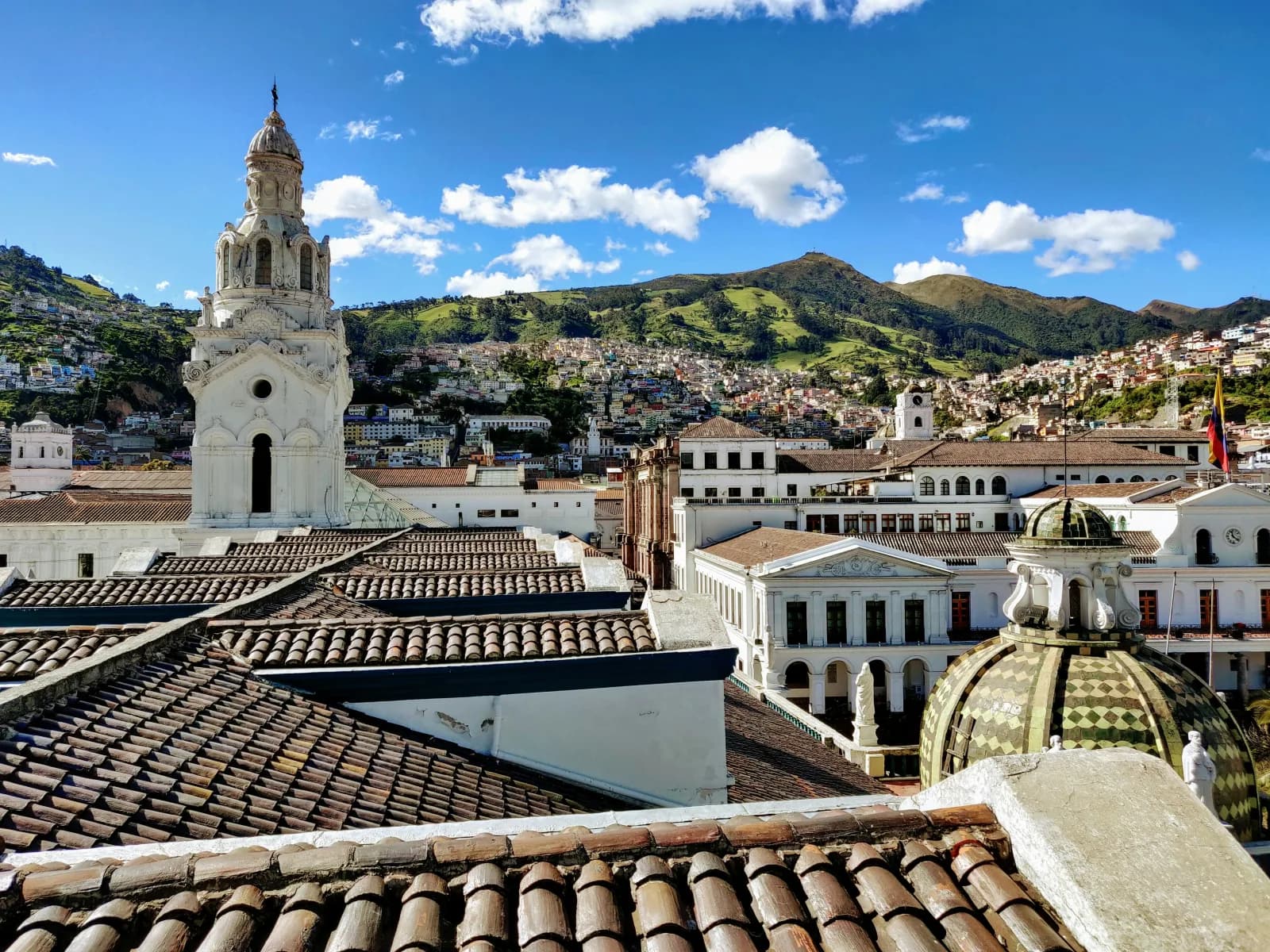
Quito is what Cuenca isn't: big, loud, culturally rich, and logistically convenient. It's a sprawling city of 2.7 million wedged into an Andean valley, with an international airport that connects directly to Miami, Houston, Atlanta, and Madrid. The restaurant scene is Ecuador's best. The museums and galleries are world-class. And the urban energy — the traffic, the street noise, the density of choices — is the kind of stimulation that Cuenca intentionally lacks. If you're a working professional, have school-age children who need international school options, or simply need more from your city than colonial charm and early bedtimes, Quito is the answer. The neighborhoods that attract expats — La Floresta with its cafés and creative scene, González Suárez with its skyline views, La Carolina near the park — are walkable, well-served, and feel distinctly cosmopolitan. If you're working remotely for a US company, Quito's coworking scene and faster internet options give it a slight edge over Cuenca for digital nomad infrastructure.
The trade-offs are real. Quito runs 20-30% more expensive than Cuenca for comparable housing and dining — check the cost of living comparison for specifics. Traffic is genuinely bad, the kind of bad where a 5-mile crosstown trip can take 45 minutes during peak hours. The altitude is 9,350 feet — nearly a thousand feet higher than Cuenca — and it hits some people harder and longer. I've met expats who adjusted in days and others who had persistent headaches for weeks. And safety requires more awareness than Cuenca. Quito is a large Latin American capital with the range of street crime you'd expect from any city that size. It's not dangerous in the way clickbait headlines suggest, but you do need to be more alert, especially at night and in certain neighborhoods. None of these are dealbreakers, but they're the reasons most retirees gravitate to Cuenca instead. If you're younger, working, or just need more from your daily life, Quito deserves serious consideration.
The Coast — Honest About the Trade-offs
Ecuador's coast offers something the highlands can't: beach, warmth, and ocean. The vibe is completely different — slower, hotter, more laid-back. Salinas is the most developed coastal expat destination, with high-rise condos along the malecón, an established (if smaller) English-speaking community, and the infrastructure of a resort town that caters to wealthy Ecuadorians and a steady stream of North American retirees. Montañita, about two hours north, is the opposite end of the spectrum — bohemian surf culture, budget-friendly hostels and rentals, a younger international crowd, and a party atmosphere that's either a draw or an immediate dealbreaker depending on your personality. Puerto López and other smaller fishing villages along the coast offer quiet, affordability, and genuine off-the-beaten-path living — but with proportionally fewer services.
The honest assessment: coastal Ecuador's infrastructure is thinner than the highlands in ways that matter for daily life. Internet is less reliable. Healthcare options are more limited — anything beyond basic medical care means a trip to Guayaquil or back to the highlands, and in an emergency, that distance matters. The humidity is not a footnote, it's a defining feature of your existence. We're talking tropical heat, year-round, where you step outside and your glasses fog. You will need air conditioning, which drives up utility costs significantly compared to the highlands where climate control isn't a factor. The 2023-2024 security situation in Ecuador also affected coastal areas more directly than the highlands — something worth researching before committing to a beachfront life. If ocean living is non-negotiable for you, Salinas is the safest and most established bet. But if you can live without daily beach access, the highlands give you dramatically better infrastructure, healthcare, connectivity, and peace of mind.
Loja, Cotacachi, and Vilcabamba — The Alternatives
For expats who want Ecuador without the expat bubble, three smaller cities deserve mention. Each offers a fundamentally different experience from Cuenca or Quito, and each comes with its own trade-offs.
Loja is essentially a smaller, cheaper, less discovered Cuenca. Similar highland climate, a university-town energy that keeps it from feeling sleepy, a genuine music and arts scene (Loja calls itself the "Musical Capital of Ecuador" and actually earns it), and costs that run 20-30% lower across the board. The expat community is tiny — a few dozen rather than several thousand — which means more immersion in Ecuadorian life and less English-language support when you need it. If your Spanish is decent and you want the highland lifestyle without the gringo infrastructure, Loja is worth a serious look.
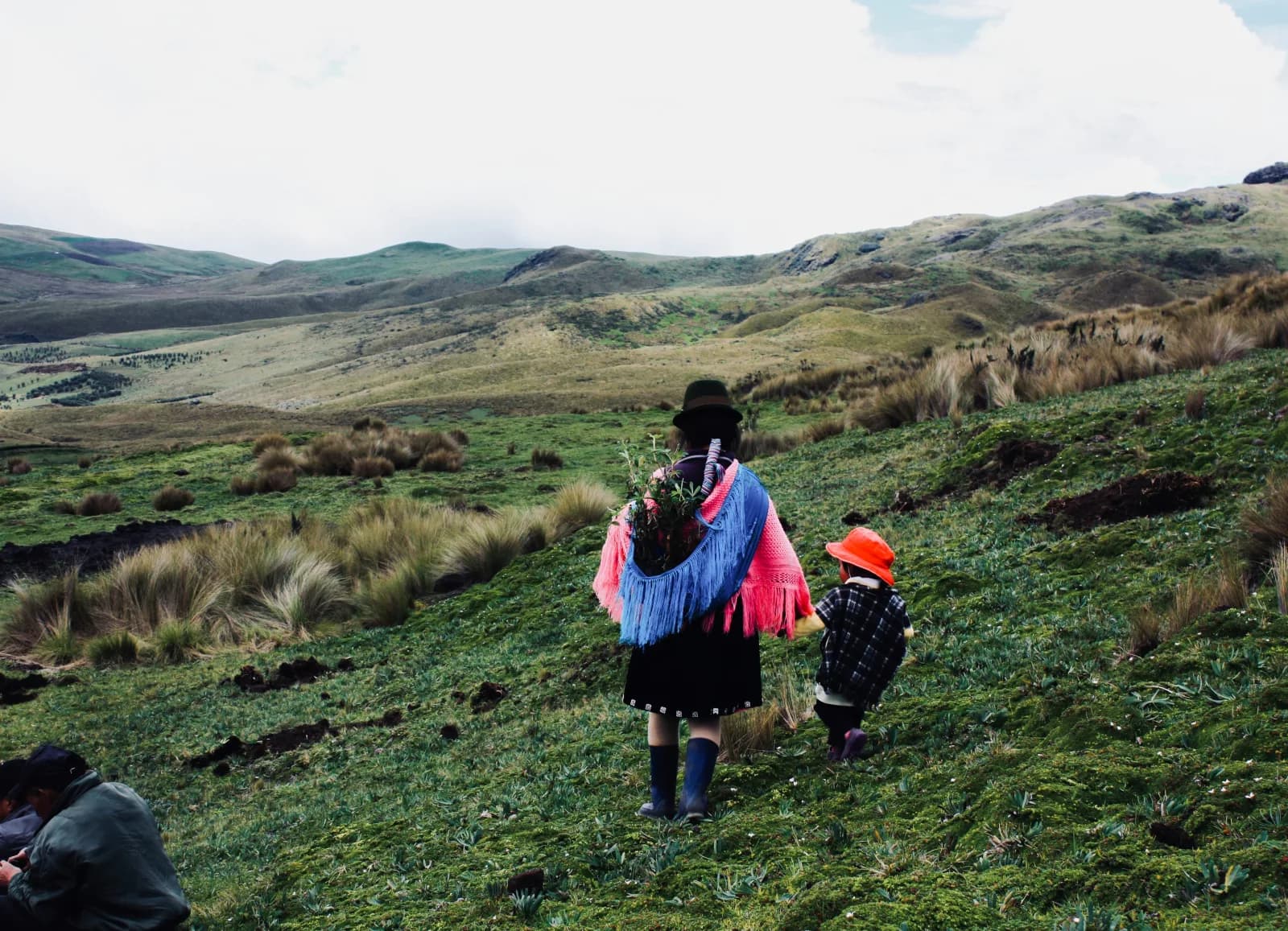
Cotacachi, a small Andean town near Otavalo in the northern highlands, offers something entirely different — a distinctive indigenous cultural environment, artisan leather traditions, proximity to the stunning Cotacachi-Cayapas ecological reserve, and a small but tight-knit expat group that tends toward the outdoorsy and culturally engaged. It's quieter than quiet. If you're imagining a gentle retirement surrounded by volcanic landscapes and indigenous markets, Cotacachi delivers exactly that.
Vilcabamba, in the southern highlands near the Peruvian border, markets itself as the "Valley of Longevity" — a claim that's been debunked by researchers but persists in the tourism branding. What's real is a gorgeous microclimate in a deep valley, a tiny but committed health-conscious and naturalist expat community, and a pace of life that makes Cuenca feel like Manhattan. If you want quiet — genuinely, profoundly quiet — Vilcabamba is a common search query for a reason. But it's very small, very remote by Ecuador standards, and the limited services mean you'll be driving to Loja for anything beyond basics.
All three share a common reality: what you gain in authenticity and affordability, you lose in convenience and community size. If your Spanish is strong or you're committed to getting it there, these can be extraordinary places to live. If you need English-speaking doctors, a robust expat support network, and easy access to services, start with Cuenca or Quito and visit these towns on weekends to see if they pull you.
A Note on Guayaquil
I've intentionally not listed Guayaquil as a top expat destination, even though it's Ecuador's largest city at over three million people. Some expats live there successfully, particularly in upscale developments around Samborondón or in the regenerated Malecón 2000 area. The city has energy, commerce, excellent seafood, and a coastal warmth that the highlands lack.
But Guayaquil's security profile is meaningfully different from the rest of this list. It was the epicenter of the 2023-2024 security crisis that made international headlines, and while the situation has improved, the day-to-day security posture — gated communities, private security, hired drivers, heightened awareness in public spaces — is a different lifestyle than what most expat-oriented content describes when it talks about "living in Ecuador." I'm not saying don't consider it. I'm saying do thorough, on-the-ground research rather than relying on any blog post, including mine. Talk to people who live there now, not people who left three years ago.
The Real Advice
The best decision you can make is spending two to four weeks in your top two cities before applying for a visa. Rent short-term in each. Walk the neighborhoods at different times of day. Eat at the local markets, not just the expat-recommended restaurants. Talk to expats who've been there more than a year — not just the honeymoon-phase newcomers who love everything. And pay attention to how you feel on a Tuesday afternoon, not just a Saturday morning. That's what daily life actually feels like.
Many expats use their 90-day tourist visa to test cities before committing to residency, and that's time well spent. Choosing the wrong city leads to an expensive, disruptive move six months later, and I've seen it happen more times than I can count.
For real-time community advice on Cuenca and Ecuador generally, join us at CuencaExpat.com — it's the community I built specifically for the kinds of questions that blog posts can't fully answer. Once you've chosen your city, the visa process is the same everywhere in Ecuador. Compare your visa options or take the eligibility quiz to figure out which category fits, and when you're ready to talk specifics, start the intake for an intake form.
Frequently Asked Questions
What is the best city in Ecuador for expats?
For many first-time North American expats, Cuenca offers the strongest balance of climate, healthcare, walkability, cost, and English-speaking support. Quito is a better fit for people who want a larger city, international connections, and more urban culture. The best choice depends on your priorities and should be tested in person before a long lease.
Is Cuenca or Quito better for expats?
Cuenca is usually easier for retirees and first-time movers because it is smaller, more walkable, and has a large established expat community. Quito offers more specialist healthcare, international schools, restaurants, and professional opportunities, but it also brings more traffic, higher comparable costs, and big-city security considerations.
Is coastal Ecuador a good place to live?
Coastal Ecuador can be a good fit if beach access and warm weather matter more to you than highland infrastructure. Salinas is the most established option for expats, but expect humidity, air-conditioning costs, thinner healthcare access, and more research into current local conditions than you would need in Cuenca or Quito.
Where do most expats live in Ecuador?
Cuenca and Quito are the most common starting points for North American expats because they combine services, healthcare, housing, and transportation. Salinas, Loja, Cotacachi, Vilcabamba, Mindo, and other towns can be a better fit for a specific lifestyle, but the smaller the community, the more self-sufficient you usually need to be.
What is the safest city in Ecuador for expats?
Safety changes by neighborhood and over time, so a national ranking can mislead. Compare the exact neighborhoods you would use, ask current residents about ordinary routines, and research current local conditions before choosing a city. The same city can feel very different block by block.
Which City You Choose Depends on Your Visa Route
Retirees often land in Cuenca. Digital nomads split between Cuenca and the coast. Investors look at Quito and Guayaquil. Your visa category narrows your city shortlist faster than any "best of" list.
Related Guides:
- Cost of Living in Ecuador 2026
- Can I Retire in Ecuador on Social Security?
- Ecuador Healthcare for Expats: $25 Doctor Visits
- Ecuador Retirement Visa: $1,446/mo — No Age Minimum
- Ecuador Digital Nomad Visa 2026
- Ecuador Professional Visa: $482/mo Income + Degree
- Ecuador Rentista Visa: Passive Income Residency