What Is Mindo?
Mindo is a small cloud forest town of roughly 3,500 people in Pichincha province, about two hours northwest of Quito by car. It sits at around 1,250 meters (4,100 feet) — lower and warmer than Cuenca or Quito, with a subtropical climate that keeps everything permanently green. The air is heavy with moisture. Orchids grow wild on the roadside. Hummingbirds are everywhere, and that's not a metaphor — Mindo is one of the top birdwatching destinations in the Western Hemisphere, with over 500 species recorded in the area.
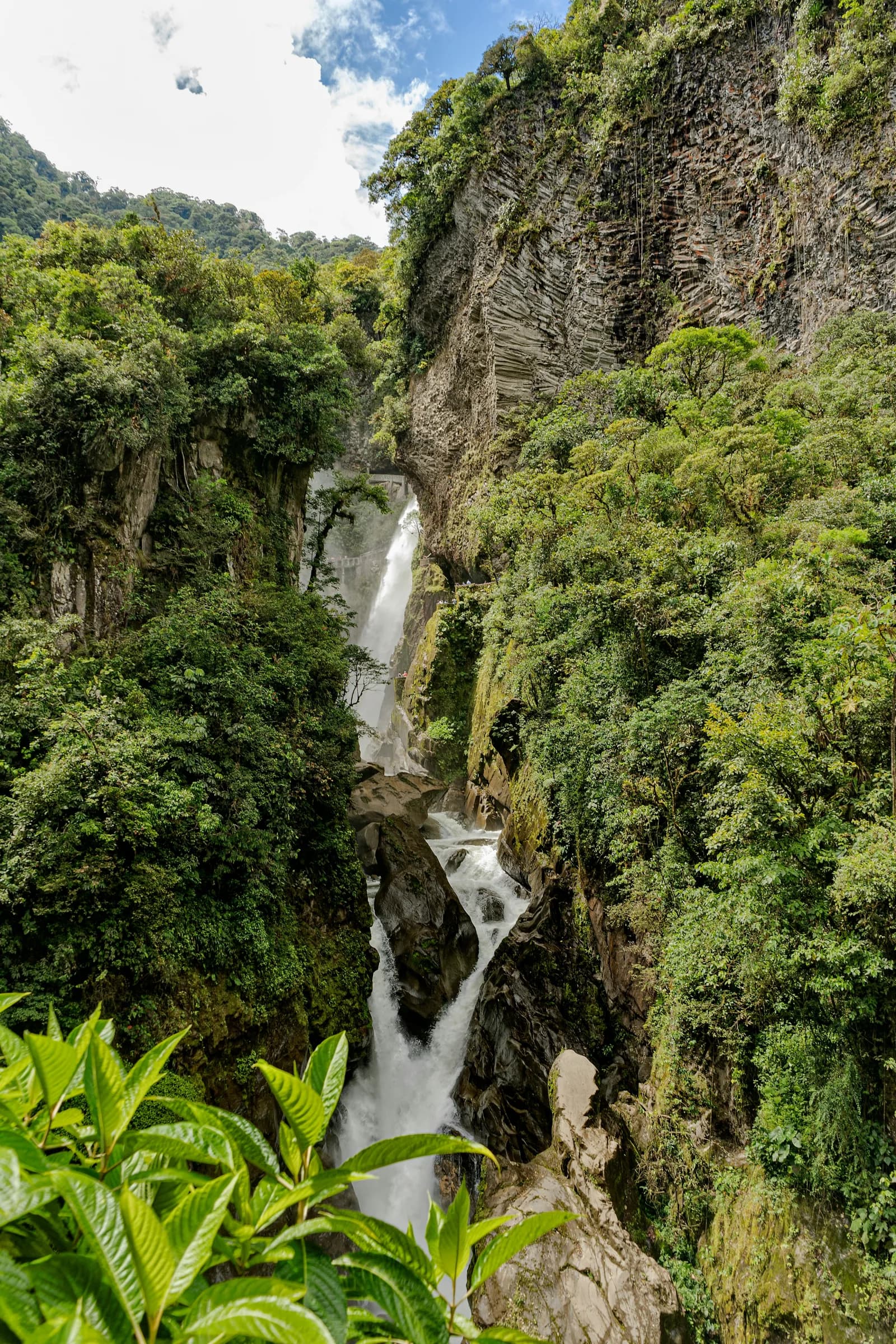
The town is known for a few things: birds, butterflies, chocolate (there are several small cacao farms offering tours), and waterfalls you can hike to in 20 minutes. It's a popular weekend trip from Quito for Ecuadorians, and it draws a steady trickle of international tourists, mostly backpackers and nature enthusiasts. The vibe is rural, quiet, and green in a way that the highlands are not. If Cuenca is spring, Mindo is the tropics at elevation — warm days in the 70s and low 80s Fahrenheit, cool nights, afternoon rain showers that roll through like clockwork during the wet season.
It's a beautiful place. Whether it's a practical place to live as an expat is a different question, and one I'm going to answer honestly.
Cost of Living
Mindo is cheaper than Cuenca in some ways and comparable in others. The biggest savings come from housing and food. The biggest surprises come from what you can't easily buy.
Rent runs $300–600/month for a house. There aren't many apartments — Mindo is a town of houses, cabins, and fincas. Inventory is limited compared to Cuenca or Quito, so you won't find listings on the usual expat rental sites. Most housing is found through word of mouth, local Facebook groups, or by showing up and asking around. Furnished options exist but are fewer, and you may end up in a place that's more rustic than what you'd find in the highlands for the same price.
Groceries are a split story. Local produce — bananas, yuca, cacao, tropical fruits, eggs from the neighbor — is absurdly cheap. You can eat well on what's grown within a few kilometers of town. But imported or processed goods (cereal, cheese, olive oil, anything that has to come from Quito) cost more and are harder to find. There's no Supermaxi in Mindo. You shop at small tiendas and the weekly market, and you learn to plan your Quito trips around restocking.
Dining out is limited. There are a handful of restaurants in town, mostly geared toward tourists. Almuerzos run $3–5, and they're good. But if you want variety — different cuisines, a proper coffee shop, a bar with more than three options — you'll feel the smallness quickly.
Utilities run $30–60/month for electricity, water, and gas. Internet is where things get interesting. Mindo's wired internet has improved in recent years, but it's still inconsistent, especially outside the town center. Starlink has become the default solution for expats who need reliable connectivity for remote work. Budget $100–120/month for Starlink if you're working online. Cell coverage from Claro and Movistar is decent in town and patchy once you're a few kilometers out.
Total monthly budget for a couple: $1,200–$1,800. That's living modestly, cooking at home most days, in a rented house with Starlink. It's cheaper than Cuenca's typical $1,800–2,500 range, but the lower cost reflects fewer services, not a higher standard of living.
Property and Farmland
This is what actually draws people to Mindo. Not the birdwatching — the land.
Farmland in the greater Mindo area runs $15,000–$50,000 for 1–5 hectares, depending on location, road access, water sources, and whether there's anything already built. That's the kind of money that buys you nothing in the US and buys you a cacao farm in Ecuador. Built homes range from $40,000 for a basic structure on a couple of hectares to $150,000+ for a finished house with outbuildings, established gardens, and road frontage.
The dream that people carry to Mindo is the small farm — cacao, coffee, fruit trees, maybe some chickens. And it's a realistic dream, not a fantasy. People do it. But it requires hands-on work, local knowledge, and a willingness to learn agricultural practices specific to the cloud forest microclimate. Cacao doesn't grow itself, and neither does a coffee operation that produces anything worth selling. If you're romanticizing farm life from a desk in Portland, visit for a few months and work on someone else's finca before committing your savings.
Due diligence is critical. Verify titles at the Registro de la Propiedad in the cantonal seat. Confirm that the property boundaries match the escritura. Check for liens, disputes, and whether the seller actually has the right to sell. Rural Ecuador has a long history of informal land transfers, and "I bought this from my uncle" is not a title. For a detailed breakdown of the buying process and legal requirements, see our guide to buying property in Ecuador as a foreigner.
Healthcare — The Biggest Trade-off
I'll be direct: healthcare is the reason most retirees should think twice about Mindo.
Mindo has a basic centro de salud — a government health center that handles minor issues, vaccinations, and general consultations. If you cut your hand, have a cold, or need basic stitches, they can help. For anything beyond that — imaging, specialist consultations, lab work, surgery, dental care — you're driving to Quito. That's two hours on a winding mountain road, and in an emergency, two hours is a long time.
There are no specialists in Mindo. No imaging equipment. No emergency surgery capability. The nearest IESS hospital is in Quito. If you enroll in IESS (which you should as a resident — see our IESS guide), your appointments and procedures will be in Quito.
For a healthy 45-year-old who rarely needs medical care, this is manageable. For a 70-year-old retiree managing heart disease, diabetes, or any condition requiring regular monitoring, Mindo is a risky choice. I've talked to expats who moved to rural Ecuador for the tranquility and moved back to Cuenca within a year because they couldn't handle being two hours from an emergency room. That's not a failure — it's a practical decision.
If healthcare access matters to you, and you're over 60, read our Ecuador healthcare guide for expats and seriously compare what Cuenca or Quito offer versus what Mindo doesn't.
Expat Community
Small. There are maybe 50–100 foreigners living in the greater Mindo area, and I'm being generous with that estimate. Compare that to 5,000+ in Cuenca. You'll know every other expat within your first few weeks.
A couple of Facebook groups exist for Mindo expats and residents, but they're quiet — a few posts a week, mostly practical questions about water service or road conditions. There's no English-speaking social infrastructure the way there is in Cuenca. No weekly expat meetups, no gringo restaurant strip, no English-language book clubs or pickleball leagues. If you need those things, Mindo is the wrong choice. If the idea of being the only foreigner at the village market sounds appealing, it might be exactly right.
The expats who thrive in Mindo tend to share a profile: they speak at least conversational Spanish, they're comfortable with solitude, and they came for a specific reason — usually the land, the birds, or the desire to live immersed in a community rather than adjacent to one. The ones who struggle are the ones who expected a smaller version of Cuenca's expat scene and found something fundamentally different.
Infrastructure
Mindo has one main road connecting it to the highway that runs between Quito and the coast. That road is paved and generally well-maintained. Beyond that, you're on secondary roads that range from decent gravel to mud during the rainy season.
Power outages during storms are common — maybe once or twice a month during the wet season, lasting anywhere from an hour to half a day. A backup generator or battery system isn't a luxury if you work from home; it's a necessity.
Water is spring-fed, generally clean, and reliable. Most expats still filter it for drinking, which is standard practice throughout Ecuador.
There are no major supermarkets. Shopping happens at small tiendas in town and the weekly market. For bulk staples or specialty items, you plan a trip to Quito. Many Mindo residents make a Quito run every two to four weeks to stock up on what they can't get locally.
Cell coverage from Claro and Movistar works in town. Outside the town center, it gets unreliable. If your property is up a valley or on a hillside, don't assume you'll have signal. Ask the neighbors before you sign anything.
Who Should Consider Mindo
Mindo makes sense for a specific kind of person: someone who loves nature, wants rural life, doesn't need regular medical care, speaks Spanish (or is committed to learning), and values proximity to Quito without living in Quito. Birdwatchers, permaculture enthusiasts, people who dream of a small farm with cacao trees and a view of the cloud forest canopy — Mindo delivers on that vision in a way that few places in the world can match, and at a price point that's accessible to people who aren't wealthy.
It doesn't make sense for retirees who need consistent healthcare access. It doesn't make sense for people who need reliable high-speed internet and can't budget for Starlink. It doesn't make sense for anyone who needs an English-speaking community to feel at home. And it doesn't make sense as a first landing spot in Ecuador — if you're new to the country, start in Cuenca or Quito, get your residency sorted, learn how Ecuador works, and then explore Mindo once you have a baseline. For a broader comparison of where to land, see our best cities for expats in Ecuador 2026.
If you're seriously considering Mindo, rent a place for one to three months before buying anything. Live through the rainy season. Drive to Quito for a medical appointment and see how that feels on a Tuesday morning. Talk to the expats who've been there more than a year, not the ones who arrived last month and are still in the honeymoon phase. The people who love Mindo really love it. But they went in with open eyes, and that made all the difference.
Retiring in Mindo: Pros and Cons
Mindo can work for a healthy, independent retiree who values nature, privacy, and a lower monthly budget more than immediate access to specialists. It is a poor fit for anyone who needs frequent appointments, wants a large English-speaking community, or would be stressed by a two-hour drive to Quito for advanced care.
Before choosing Mindo as a retirement base, test four things in person:
- drive the Quito route during normal weekday traffic;
- confirm the exact internet and mobile signal at the property, not just in town;
- ask where you would go for your most likely medical need; and
- rent through the wet season before buying land or a house.
Your retirement visa is a separate Ecuador-wide immigration question. Start with the retirement visa guide and then confirm whether the Galapagos-specific regime or another local restriction affects any property or residency plan.
Frequently Asked Questions
What is the cost of living in Mindo, Ecuador?
A couple should plan on roughly $1,200–$1,800 per month for a modest rented home, local food, utilities, transportation, and Starlink or another reliable internet solution. Imported goods, specialist travel, and property maintenance can push the total higher.
Is healthcare available in Mindo?
Mindo has a basic health center for routine needs, but specialist care, imaging, surgery, and serious emergencies generally require travel to Quito. Healthcare access should be a deciding factor, especially for retirees or anyone managing a chronic condition.
Is Mindo a good place to retire?
It can be a good fit for an independent retiree who wants rural cloud-forest living and accepts limited local services. Cuenca or Quito is usually a safer first landing point for people who need broader healthcare, infrastructure, and expat support.
How reliable is internet in Mindo?
Internet is usable in town but can be inconsistent outside the center. Remote workers and property owners should test the exact address and budget for a backup connection or Starlink before committing.
When you're ready to figure out which visa fits your situation — whether you're planning to buy farmland, retire, or work remotely from a cloud forest cabin — take the visa eligibility quiz or message me on WhatsApp for an intake form.
Researching Ecuador? Get Your Visa Route Confirmed Next
Answer 5 questions. We reply with your likely visa, the requirement most likely to delay you, and the first document to gather.
Related Guides:
- Cost of Living in Ecuador 2026
- Best Cities for Expats in Ecuador 2026
- Can Foreigners Buy Property in Ecuador?
- Ecuador Healthcare for Expats
- IESS Healthcare for Expats
- Can I Retire in Ecuador on Social Security?