I was eating duck magret at KENIMPA in Cuenca when I realized that the meal explained something people keep asking me.
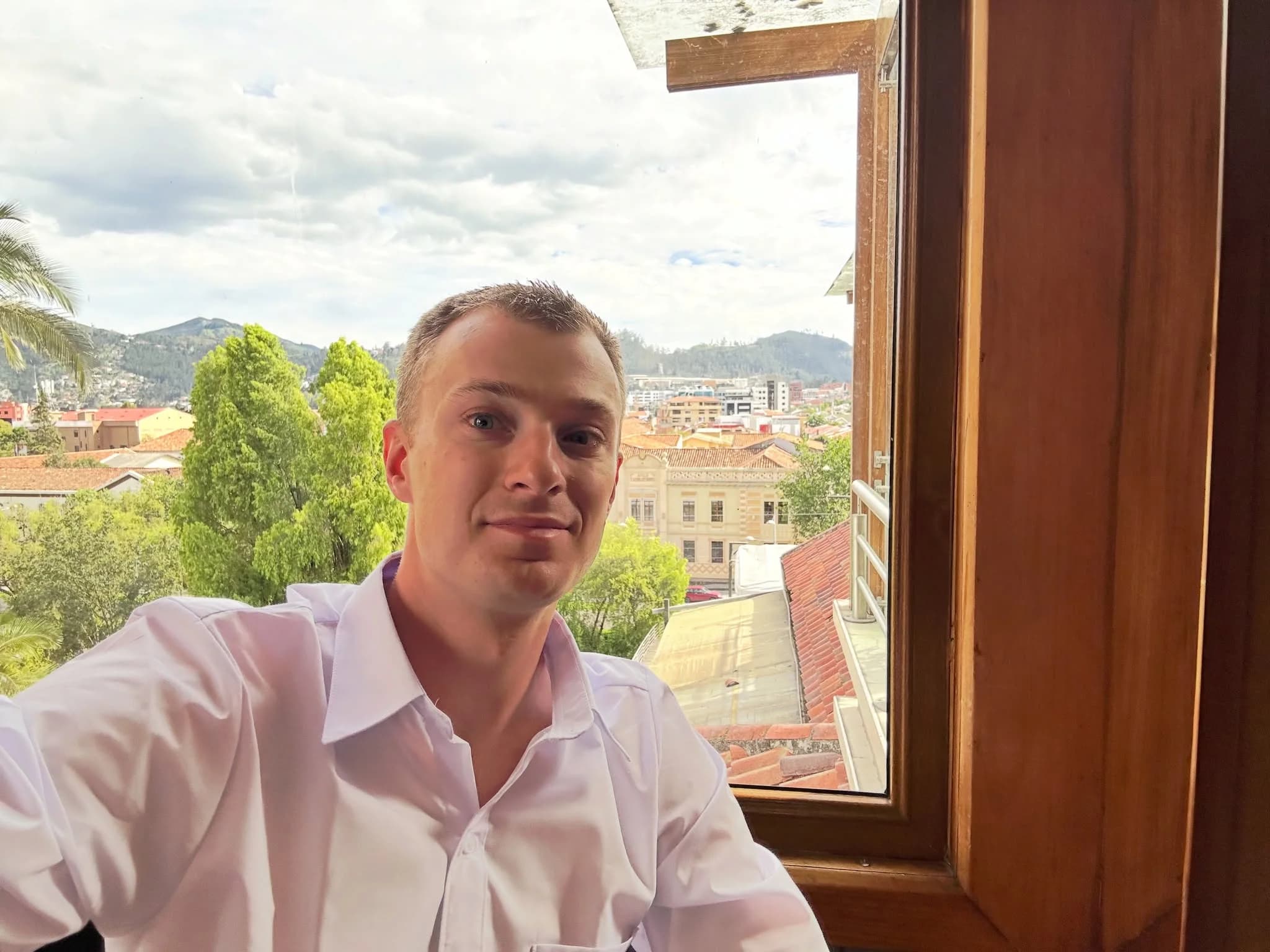
I'm Chip Moreno. I'm 27. I live in a city many Americans associate with retirement, and I sometimes spend a Monday afternoon enjoying a restaurant instead of sitting in an office.
People reasonably wonder what the arrangement is. A gap year? An extended vacation? Early retirement?
I moved here to build a life. The restaurant is one small, enjoyable part of the larger decision.
A $320 rent changed my monthly arithmetic
My rent in Cuenca is $320 a month. That is my own housing situation, rather than a quote for an apartment someone else can expect to find.
For me, the important result is the amount of pressure it removes from every other decision. A restaurant visit can be an ordinary pleasure. A slow business month does not immediately threaten the whole arrangement. I can spend money on a useful tool or a new project without every purchase competing with a much larger rent bill.
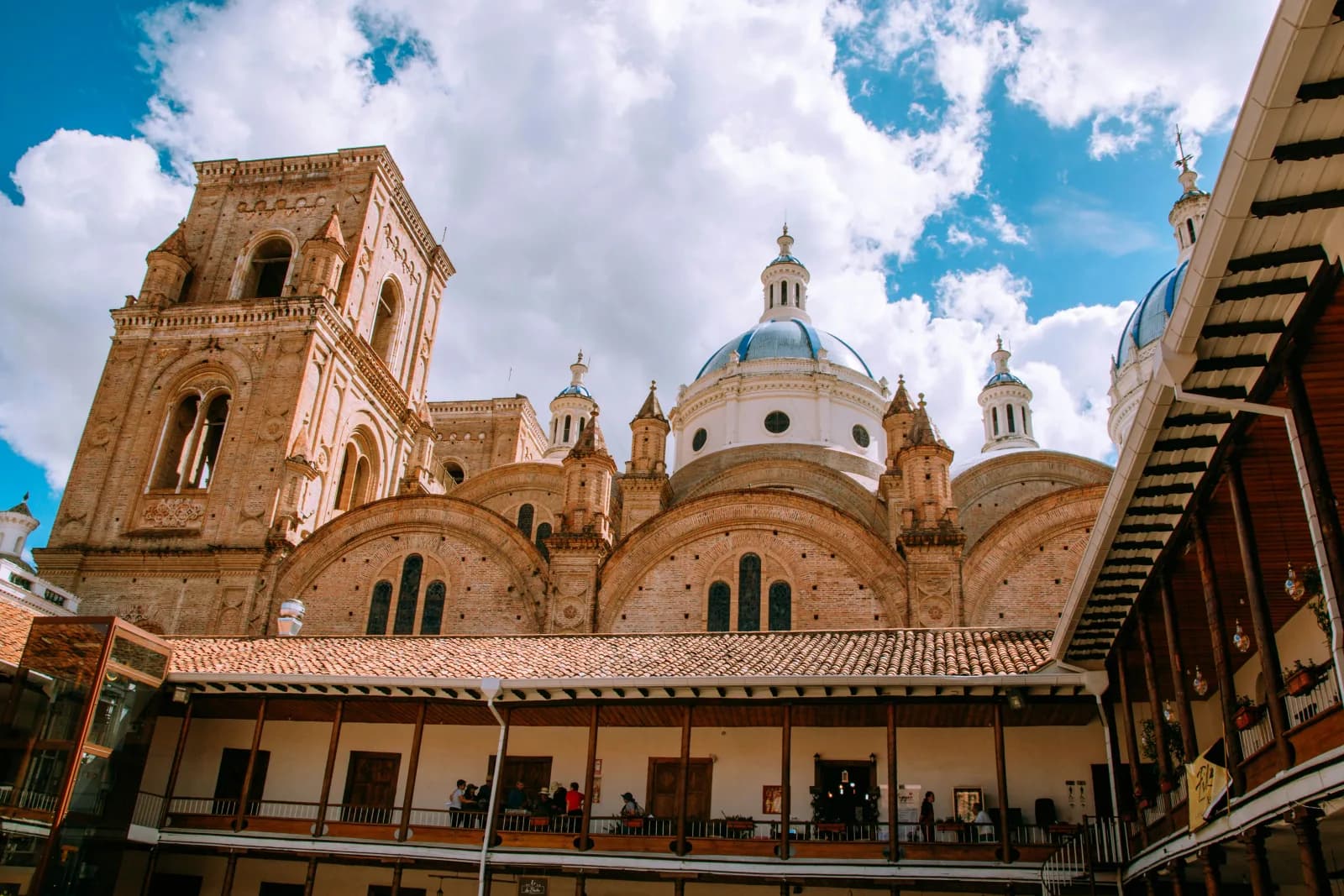
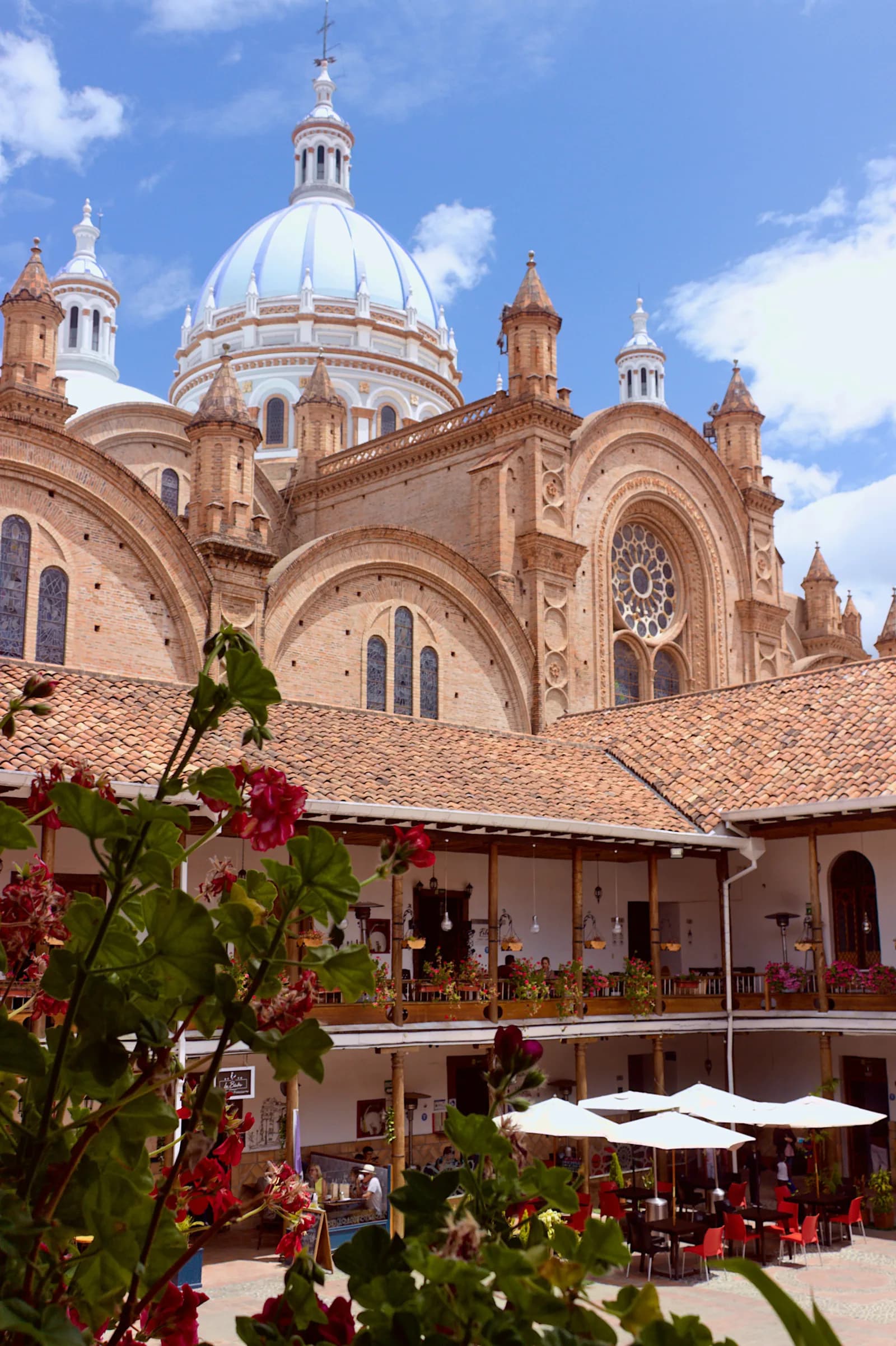
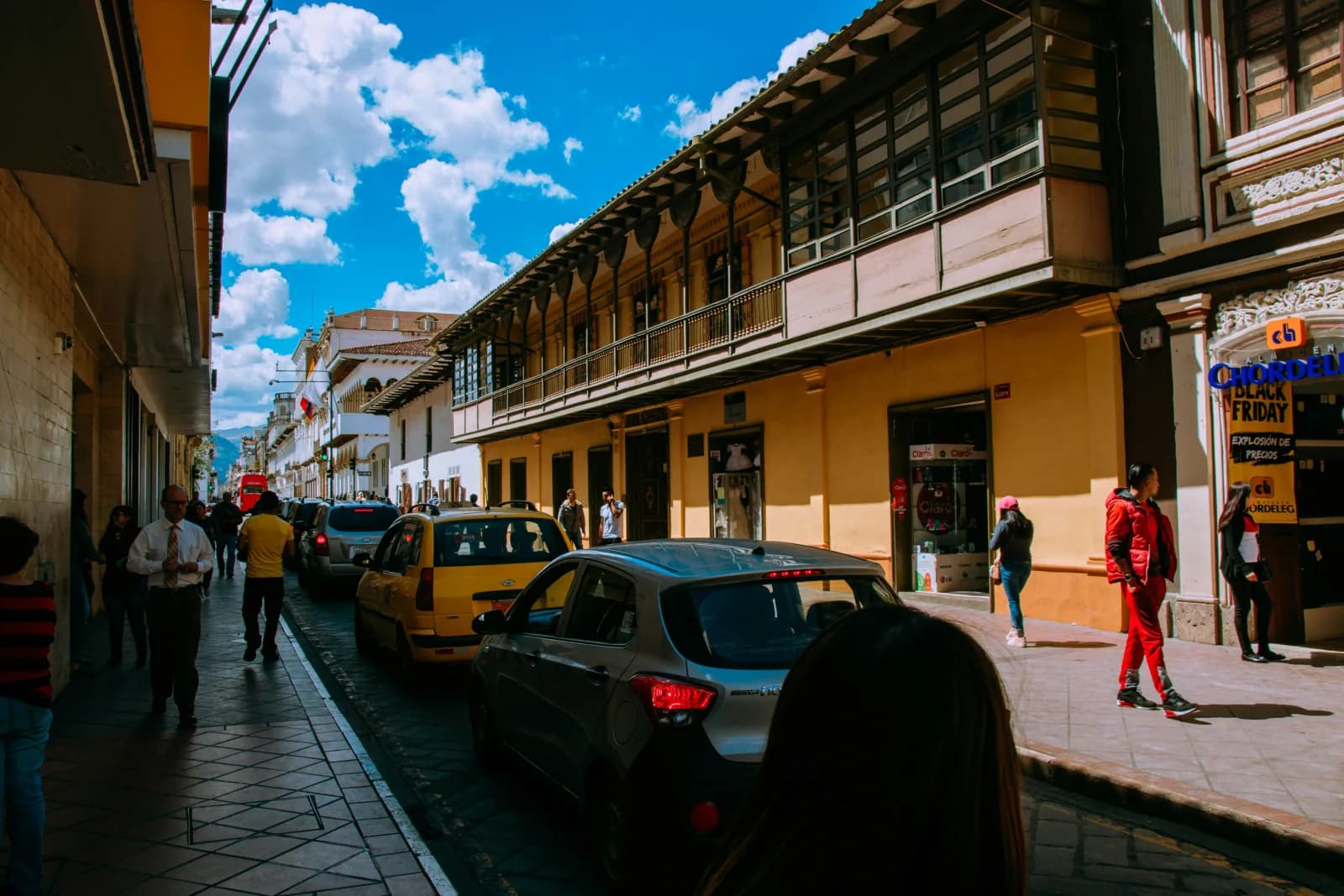
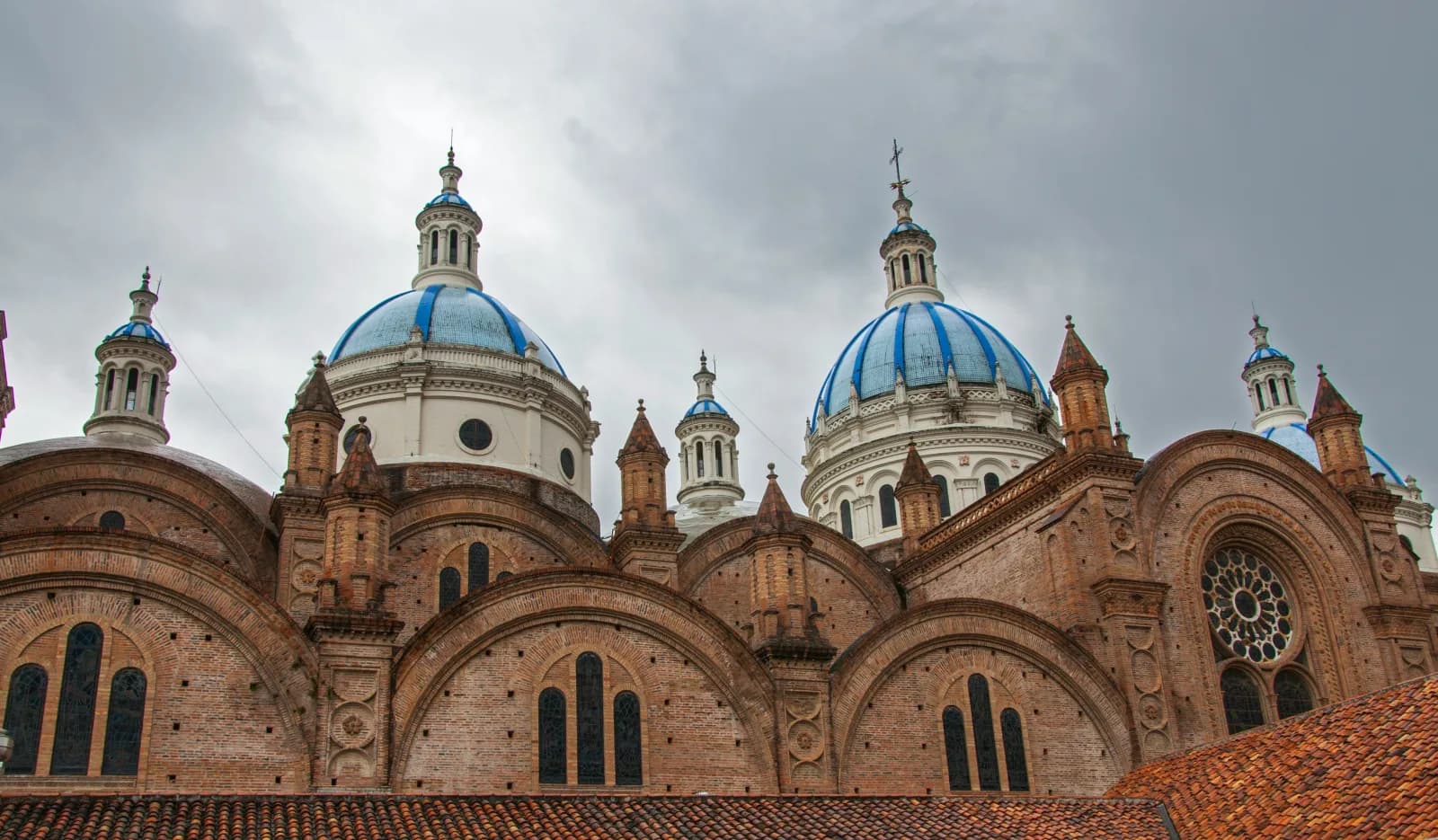
There is more to the attraction than a number. Cuenca gives me a walkable setting for ordinary life as well as the occasional restaurant afternoon. The point of reducing my expenses was to have more room to enjoy the place where I actually live.
Someone else's version of a good life may look very different. A family's budget, healthcare needs, preferred neighborhood, travel habits, and housing expectations can change the calculation substantially. My rent is a personal example, not an Ecuador relocation budget.
The question I would encourage another person to ask is more useful than “Can I live exactly like Chip?” It is: What would my actual life cost, and what would that make possible?
Lower expenses gave me time to build
A business takes more than an idea. It takes time to discover what customers need, improve the service, make mistakes, and try again.
When your personal expenses consume everything the business produces, that process gets harder. Every experiment has to justify itself immediately. Every quiet month feels urgent.
A lower personal cost structure gave me more room to work through that process. I could build something before it generated consistent revenue. I could reinvest. I could spend time understanding a problem instead of choosing only work that paid that afternoon.
That is what I mean when I say Ecuador gave me runway. It changed the financial conditions under which I could build.
The duck magret was enjoyable. The ability to make deliberate decisions about my time mattered more.
Residency made the plan durable
Enjoying a city and having a legal basis to stay are connected parts of a move.
I graduated from Western Governors University with a B.S. in Computer Science in January 2025. I completed my degree program in 63 days, then went through the degree-registration process in Ecuador. I received my Ecuador Professional Visa in October 2025.
Those are dates from my own history. Another person's academic records, prior studies, institution, and document process may produce a different sequence or result.
My experience taught me to separate the credential question from the immigration question. Having a degree creates something to examine; the registration evidence, means of living, identity records, and current visa requirements still need to fit together.
I describe that part of the journey in my WGU and Ecuador residency story. If a degree might be relevant to your own move, start with the Professional Visa overview and the current procedure before ordering documents.
Tax planning belongs in the picture
For an American working abroad, the tax side can be financially significant. It also deserves more care than a quick social-media calculation.
For tax year 2026, the Foreign Earned Income Exclusion can exclude up to $132,900 of qualifying foreign earned income for an eligible person. The amount and a possible part-year reduction depend on the qualifying facts, as the IRS explains in its FEIE calculation guidance.
A qualifying income exclusion is not a promise that every dollar a person earns will escape every tax. The foreign tax home, qualifying period, income type, and filing requirements need review. The IRS also explains that FEIE does not reduce self-employment tax and that remaining income can be subject to its tax-calculation rules. See the IRS FEIE guidance.
The standard deduction belongs in the actual return calculation. Simply adding it to the maximum FEIE amount does not establish a universal amount someone can earn tax-free.
Ecuadorian tax is another question. A U.S. exclusion does not determine what Ecuador taxes, and a residence visa does not settle the local tax analysis. The SRI's income-tax guidance is a starting point for that separate review with an appropriate Ecuadorian professional.
I built FileAbroad around U.S. tax preparation for people whose lives involve another country. It is one part of planning a move that can actually work over time.
The businesses grew out of the life I was building
EcuaPass grew out of an experience I had lived through: trying to understand what an Ecuador residency process needed and how the pieces fit together.
Today, EcuaPass visa support helps people organize the route, documents, and administrative steps of their own move. FileAbroad addresses the U.S. tax-preparation side. EcuadorTranslations focuses on document translation for Ecuadorian processes. I am also building EcuaInsure and have developed English-language publishing projects around life and business in Ecuador.
The common thread is practical. A person moving abroad may need a place to live, a lawful basis to stay, properly prepared records, a realistic financial plan, and a way to keep earning. Those needs intersect, even when different providers and separate service scopes are involved.
That is the work I keep coming back to: helping put the relevant pieces in order.
Build your own version of the plan
You do not need to be 27, have my degree, or run several businesses to find Ecuador worth considering. You do need a plan that matches your evidence and the life you want.
The residency and U.S. tax planning guide explains how I approach the practical pieces. Start with your intended activities, your income, the people moving with you, your current location, and your timing. Then ask which residency route deserves review and what needs to happen before you make a larger commitment.
If Ecuador is part of your future, tell me about your plans through the EcuaPass intake. You can begin before you know the right visa category. I will review your situation and explain the next step, with the scope and cost of any paid help agreed separately.
A Monday lunch in Cuenca is a pleasant result. What I wanted to build was a life in which I could enjoy that lunch and still have time, energy, and room to keep creating things.