What Lonely Planet Actually Said
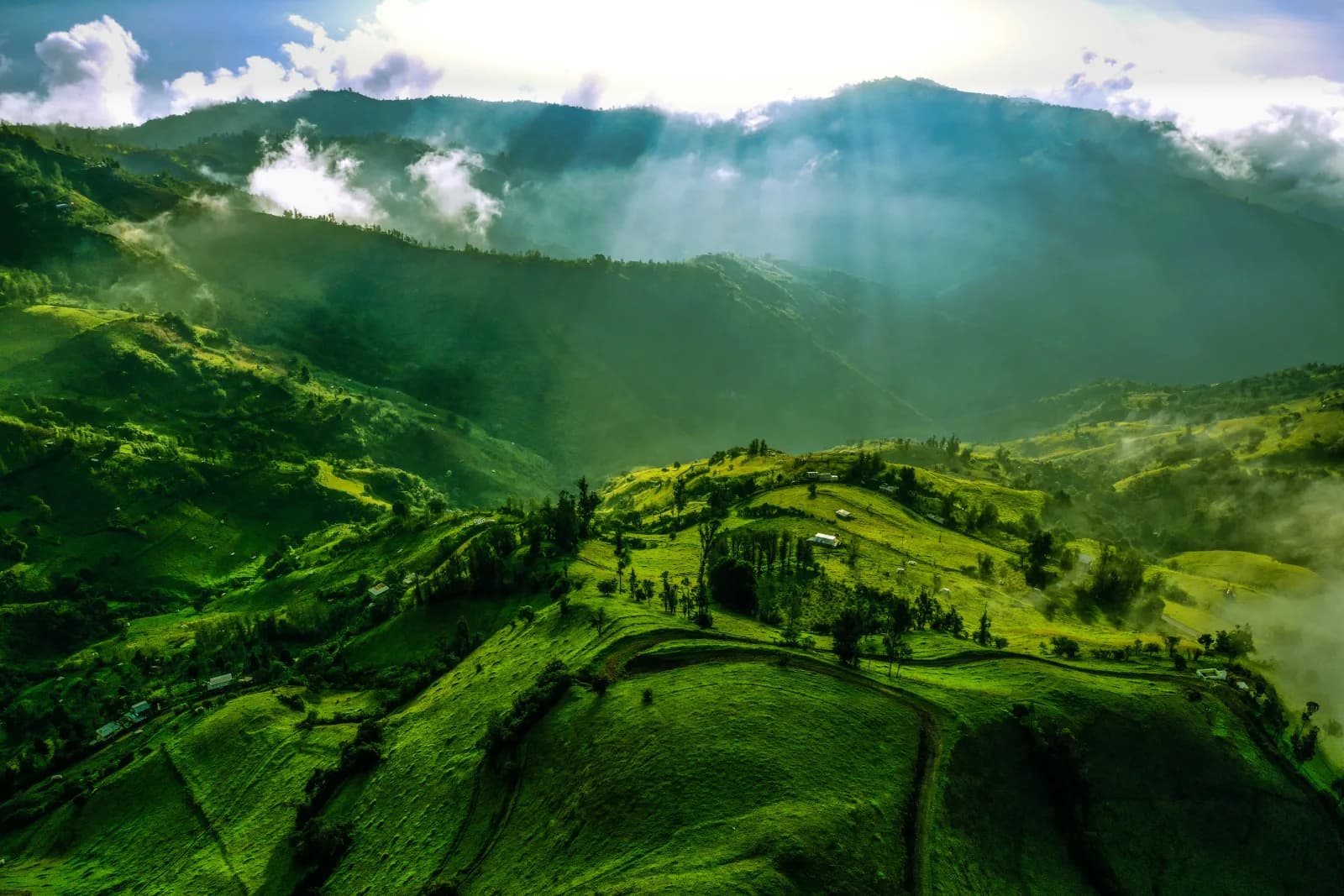
Lonely Planet's Best in Travel 2026 list, published in October 2025, features 25 must-visit destinations and 25 must-do experiences worldwide. Ecuador made the experiences list — specifically, horseback riding through the Andes was highlighted as one of the year's essential travel experiences, with Lonely Planet pointing to the country's volcanic landscapes, indigenous culture, and staggering biodiversity as the backdrop.
To be clear about what this is and isn't: Ecuador was not named a top destination in the sense that it appeared on the 25-destination list. Peru and Cartagena, Colombia represent South America on that side of the list. What Ecuador received is a specific experience recognition — and from the world's most influential travel publication, that still carries real weight. It puts Ecuador on the radar of a global audience that may not have been thinking about the country at all, and it reinforces what the expat community here already knows: Ecuador punches far above its weight for a country most Americans can't place on a map.
I live in Cuenca. I see this country's appeal every day — the $3 almuerzos, the spring weather in February, the volcanoes visible from my apartment window. I also run the largest English-language Ecuador expat groups on Facebook, and I've watched the trajectory of interest in this country accelerate over the past two years. The Lonely Planet mention is a signal of something that's already happening, not the start of something new.
Why Expats Should Pay Attention to Tourism Recognition
When a country gets more international visibility, practical things change. More tourism attention means more direct flights, which means easier and cheaper trips home. More international visitors mean more English-friendly services, more diverse restaurants, and more investment in the infrastructure expats rely on daily — internet, healthcare facilities, transportation. Ecuador's infrastructure has been improving steadily, and recognition from publications like Lonely Planet accelerates those trends.
But more attention also means more demand. Cuenca has already experienced this to a degree — rental prices in popular expat neighborhoods have crept up over the past few years as the community has grown. The coastal towns that appear in "hidden gem" articles start becoming less hidden. None of this is dramatic or alarming, but it's the direction of travel. For anyone who's been considering Ecuador and hasn't pulled the trigger, the calculation is straightforward: the infrastructure is getting better, the costs are still low by international standards, and waiting doesn't make either of those things more true.
The more important point is that Ecuador's appeal isn't built on tourism trends or travel magazine lists. It's built on the US dollar economy eliminating currency risk for Americans, on healthcare through IESS at $85 a month with no pre-existing condition exclusions, on a visa system that offers permanent residency after 21 months, and on a cost of living that lets a couple live comfortably on $2,000 to $2,500 a month. Those fundamentals don't change because Lonely Planet published a list, and they won't change if next year's list features somewhere else. Our cost of living guide covers the detailed numbers, and the moving to Ecuador guide walks through the full relocation picture.
Where to Start If You're Considering the Move
Ecuador offers multiple residency paths, and the income threshold is lower than most people expect. If you have a bachelor's degree, the Professional Visa qualifies you at just $482 a month from any lawful income source — that's one-third what other visa categories require, and it's the most undersold path in Ecuadorian immigration. Traditional retirees with Social Security or pension income typically use the Pensioner Visa at $1,446 a month. Government fees for any visa are $320 per applicant. The visa comparison tool shows all categories side by side, and the eligibility quiz can help you figure out which one fits your income and credentials.
The visa process takes four to six months from first document order to cédula in hand, with document preparation — not government processing — accounting for most of that time. If you're seriously considering Ecuador, the single most impactful action you can take today is ordering your FBI background check through an expedited channeler. That starts the clock on the longest-lead-time document in your application, and everything else can be figured out while you wait.
If you want help figuring out which visa fits your situation and building a realistic timeline, start with the visa intake. Whether you're a year away from retirement or ready to move next month, the first step is the same: what do you have, what do you need, and how do we get you there.